

ETP vs STP: What’s the Difference and Which Treatment System Does Your Business Need?
Wolgan Engineering Team
Water Treatment Specialists
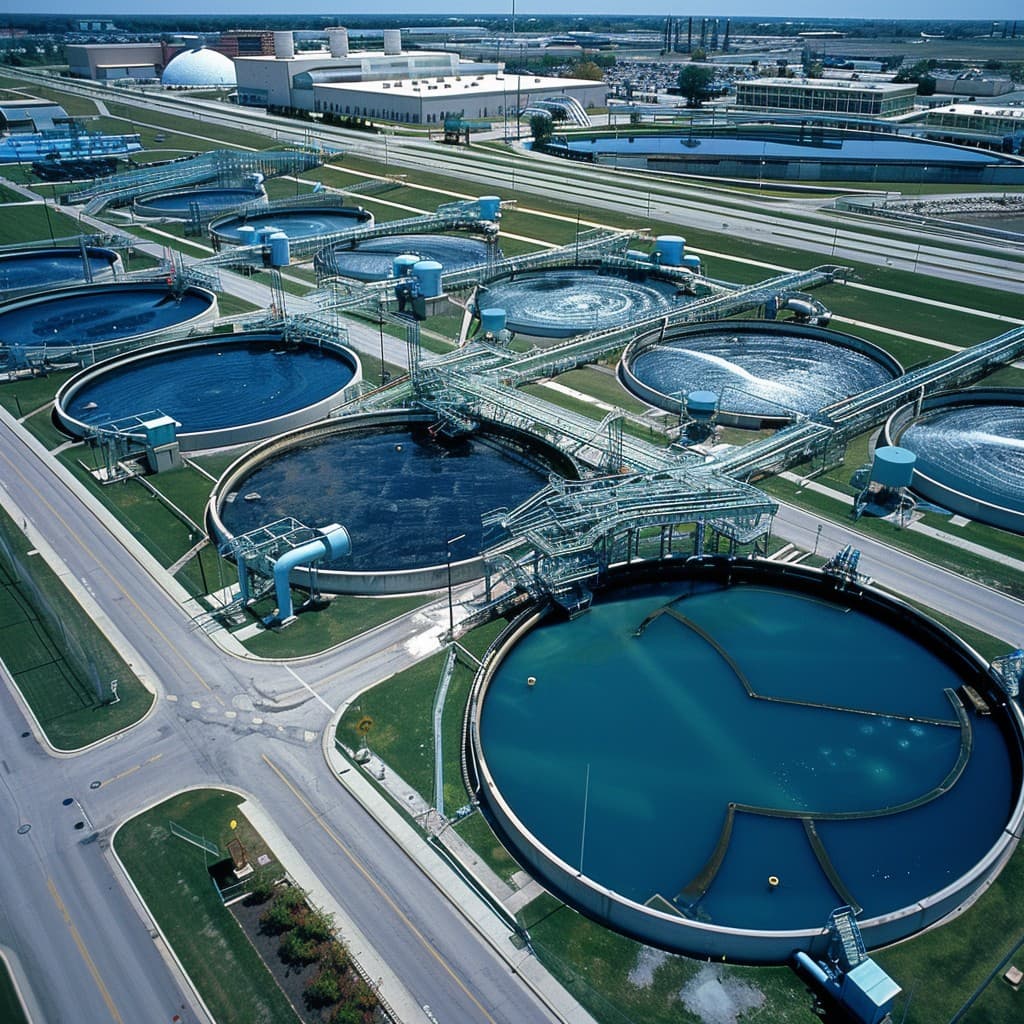
Wastewater treatment is an essential operational requirement for commercial developments, residential complexes, hospitality facilities and industrial plants. Two common treatment systems are Effluent Treatment Plants (ETP) and Sewage Treatment Plants (STP).
While both systems treat wastewater, they are engineered for different wastewater compositions, contaminant types and regulatory standards. Choosing between an ETP and an STP requires understanding the wastewater source, flow rate and treatment objectives.
What Is An ETP?
An Effluent Treatment Plant (ETP) is designed to treat wastewater generated from industrial, manufacturing or process-related activities.
Industrial wastewater can vary significantly depending on the industry, production process and materials involved. It frequently contains suspended solids, heavy organic loads, free and emulsified oils and grease, chemicals, heavy metals or dissolved salts.
Because wastewater characteristics differ from one facility to another, an ETP must be configured according to a comprehensive wastewater analysis, flow dynamics and required discharge standards. For complete system engineering, review Wolgan's Water & Wastewater Treatment Solutions.
What Is An STP?
A Sewage Treatment Plant (STP) is designed primarily to treat domestic wastewater (blackwater and greywater).
Domestic sewage originates from:
- Residential developments and labor accommodations
- Commercial offices and shopping malls
- Hotels, resorts and hospitality complexes
- Hospitals and educational institutions
- Ablution and washroom blocks in industrial complexes
Sewage typically contains organic matter, suspended solids, nitrogen, phosphorus and pathogens. STPs rely heavily on biological treatment processes—such as Moving Bed Biofilm Reactors (MBBR), Sequencing Batch Reactors (SBR) or Membrane Bioreactors (MBR)—to degrade organic matter.
ETP vs STP: The Core Differences
| Parameter | ETP (Effluent Treatment Plant) | STP (Sewage Treatment Plant) |
|---|---|---|
| Primary Wastewater Source | Industrial processes, manufacturing, washdown | Domestic restrooms, kitchens, showers, laundry |
| Wastewater Variability | High variability in pH, toxicity, chemicals & flow | Relatively predictable composition and daily cycles |
| Key Treatment Processes | Physico-chemical (coagulation, DAF, chemical dosing) + biological | Primarily biological (MBBR, MBR, SBR) + disinfection |
| Typical Reuse Applications | Process recycling, cooling tower makeup, zero liquid discharge (ZLD) | Landscape irrigation, toilet flushing, district cooling makeup |
Why Wastewater Analysis Matters
Selecting equipment without water analysis carries significant operational risks. If industrial wastewater containing biocides, heavy solvents or high salinity is fed directly to a biological STP, the bacterial culture can be inhibited or completely destroyed, leading to compliance failures and foul odors.
A comprehensive laboratory test verifying COD, BOD, TSS, Oil & Grease, heavy metals and pH is the foundation for specifying either an ETP or an STP.
Wolgan's Water and Wastewater Treatment Approach
Wolgan provides turnkey water and wastewater treatment solutions across Qatar, the UAE, and the wider GCC region. Our services cover design, engineering, equipment fabrication, installation, commissioning, and long-term operations.
Our systems include containerized and built-in-place STPs, industrial ETPs, greywater recycling plants, and RO polishing units. We also provide specialized flocculants, coagulants, and odour control chemicals to optimize plant performance.
Final Thoughts
Choosing between an ETP and an STP starts with understanding your wastewater. For facilities planning a new treatment plant, upgrading an existing system or reviewing discharge compliance, contact Wolgan's engineers for a site-specific wastewater evaluation.
Water Treatment Solutions
Discover Wolgan's tailored engineering, turnkey equipment supply, commissioning, and maintenance contracts across Qatar and the UAE.
Need Help Evaluating Your Treatment System?
Our regional engineering teams in Dubai and Doha conduct site assessments, feed-water analysis, and system sizing to ensure your operations run efficiently.
Request Technical ConsultationRelated Technical Insights
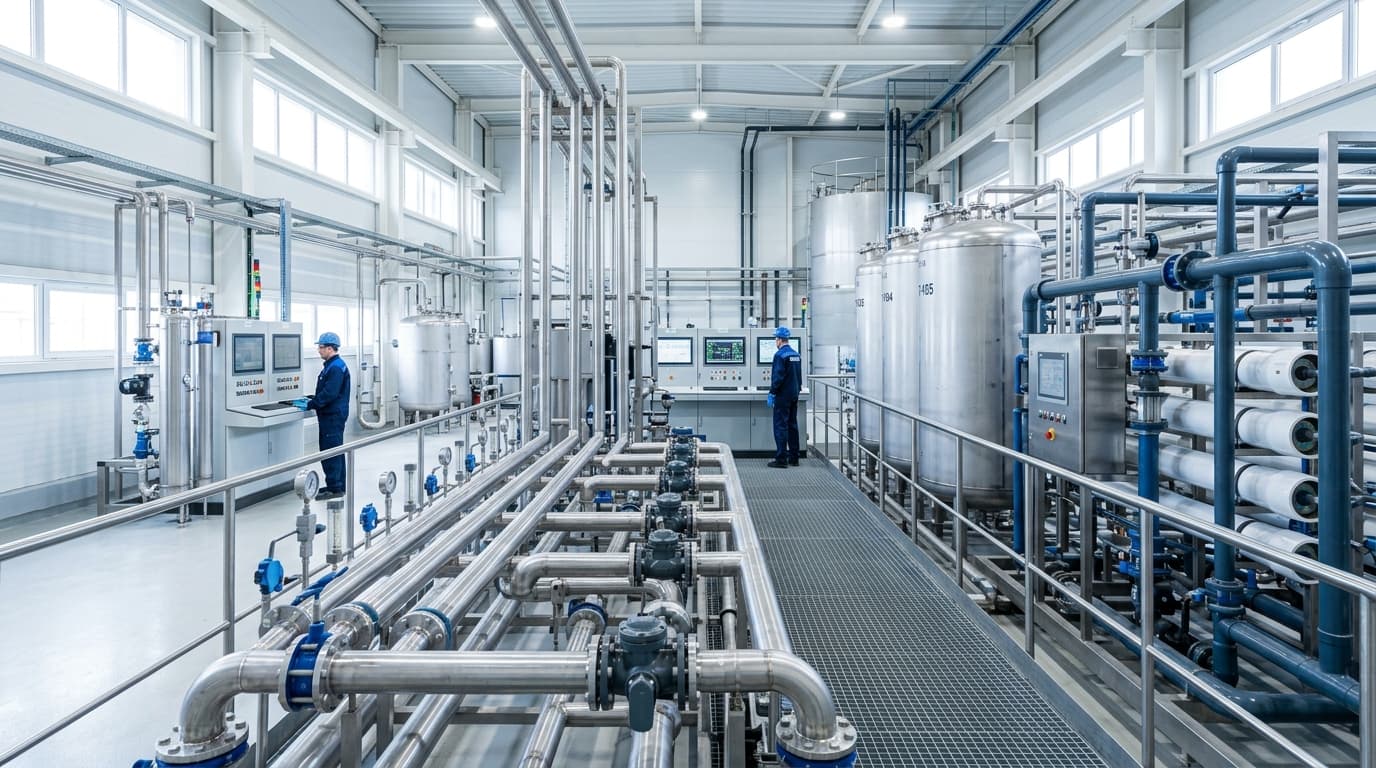
Industrial Water Treatment: What Businesses Need to Know Before Choosing a System
A comprehensive guide on feed water analysis, treatment capacity, reverse osmosis, filtration, and what information to prepare before choosing an industrial water treatment system.
Aug 21, 2026 • 8 min read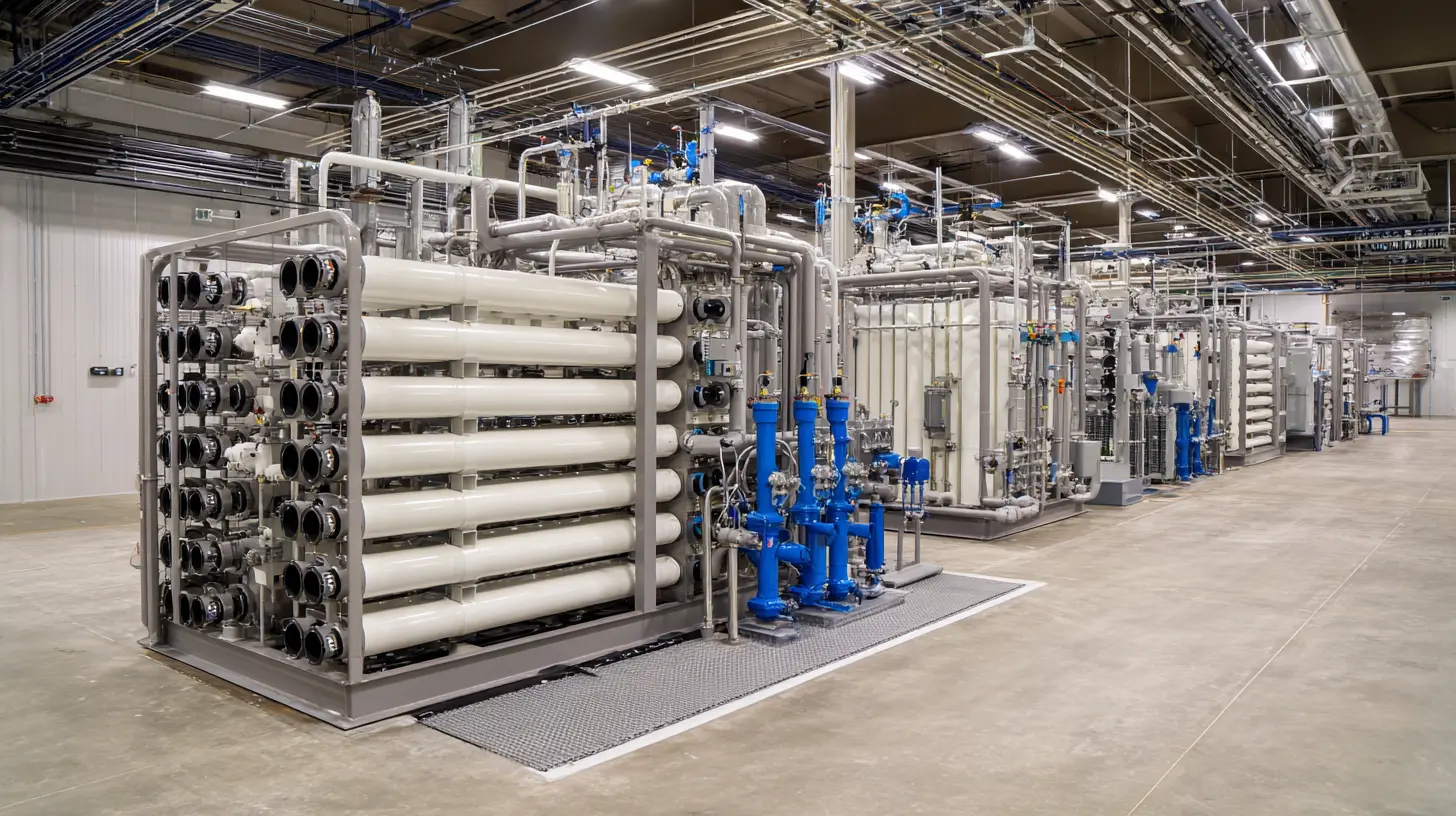
RO Membrane Scaling: Causes, Warning Signs and Prevention
How mineral supersaturation, silica, and calcium compounds foul reverse osmosis membranes, and how proper pretreatment and antiscalants protect recovery rates.
Aug 21, 2026 • 7 min read
Industrial Water Treatment Chemicals: Types & Applications
An overview of corrosion inhibitors, antiscalants, biocides, coagulants, and commodity chemicals for cooling, boiler, and wastewater treatment systems.
Sep 29, 2026 • 6 min read